
Planning Your First Overland Trip
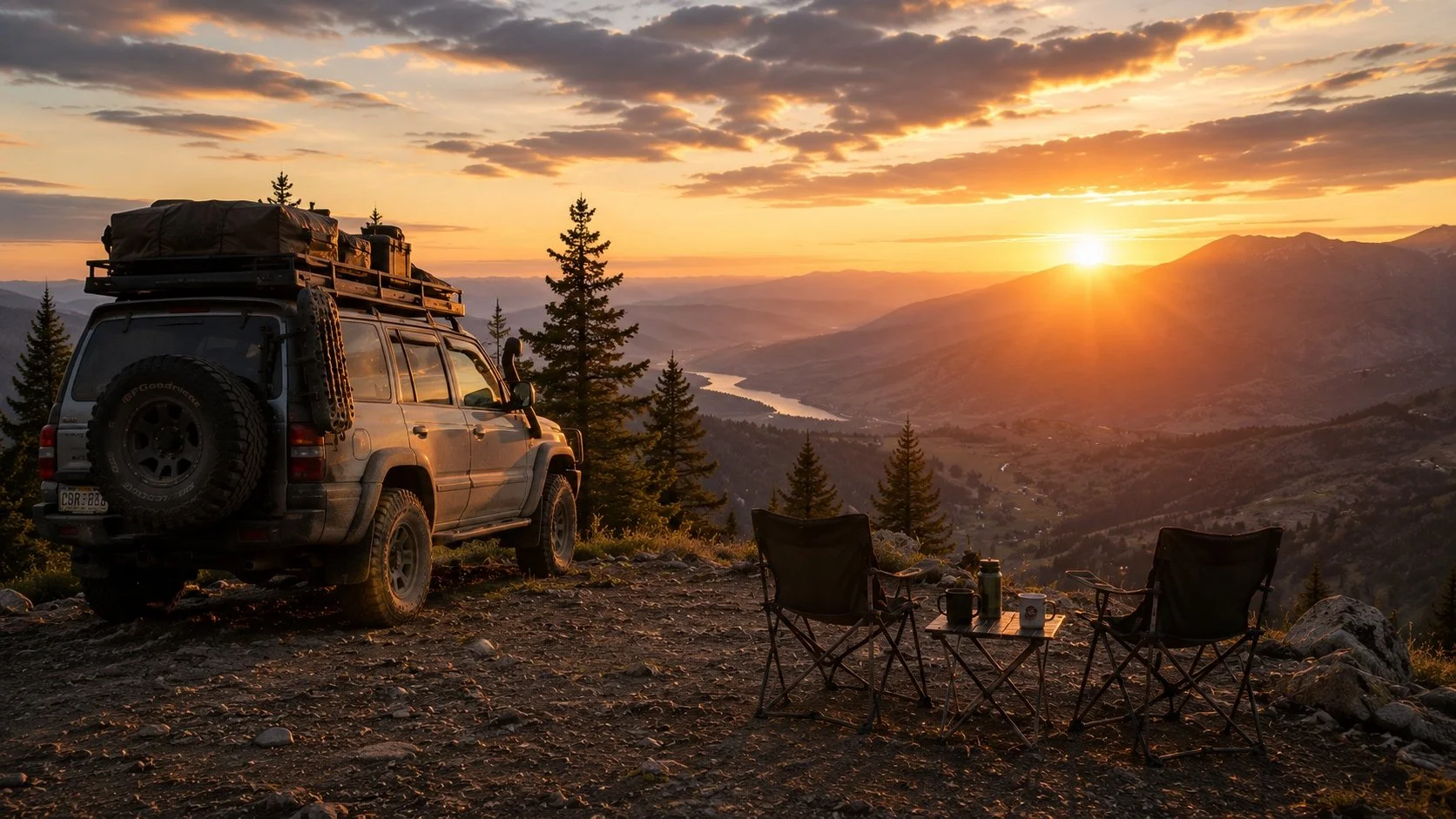
Every Great Adventure Starts Somewhere
Planning your first overland trip can feel overwhelming. You watch videos of fully equipped expedition vehicles crossing deserts and climbing mountain passes, then look at your own vehicle and wonder if you're ready. The truth is, overlanding isn't about having the biggest lift kit or the newest gear. It's about exploring new places, becoming more self-reliant, and enjoying the journey.
The best first trip is often the simplest one. With thoughtful planning and realistic expectations, you'll gain valuable experience while building confidence for future adventures.
Start Small and Stay Close to Home
One of the most common mistakes new overlanders make is trying to cover too much ground. Instead of planning a week-long expedition hundreds of miles away, consider a weekend trip within a few hours of home.
National forests, state forests, and public lands often provide excellent opportunities to experience dispersed camping without venturing too far from civilization. If something doesn't go as planned, you're close enough to adjust without turning the trip into a stressful experience.
Keeping your first trip simple also allows you to focus on learning your gear, setting up camp efficiently, and discovering what works best for your travel style.
Prepare Your Vehicle Before You Leave
Your vehicle doesn't have to be heavily modified, but it should be well maintained.
Check your tire pressure, inspect the tread, verify all fluid levels, and make sure your battery and brakes are in good condition. Bring a full-size spare tire, a tire repair kit, and an air compressor if you plan to drive on unpaved roads.
It's also a good idea to fuel up before leaving pavement. Fuel stations become less common once you head into remote areas, and it's always better to have more range than you think you'll need.
Plan, But Stay Flexible
Research your route before you leave. Download offline maps, identify potential campsites, and note nearby fuel stations and water sources.
At the same time, remember that flexibility is part of the adventure. Weather changes, road closures, and unexpected discoveries are all part of overlanding. Sometimes the best campsite wasn't part of the original plan.
Share your itinerary with a family member or friend and let them know when you expect to return. It's a simple safety habit that every overlander should practice.
Enjoy the Journey
It's easy to focus on reaching your destination, but overlanding is really about everything that happens along the way.
Stop at scenic overlooks. Explore historic sites. Take the side road that catches your attention. Watch the sunrise with a fresh cup of coffee instead of rushing to the next stop.
Some of your favorite memories will come from the places you never planned to visit.
Quick Tips
Start with a weekend trip.
Stay within a few hours of home.
Inspect your vehicle before every trip.
Download offline maps.
Carry extra water and food.
Share your itinerary.
Leave campsites cleaner than you found them.
Frequently Asked Questions
Do I need a four-wheel-drive vehicle?
No. Many scenic forest roads are accessible with a stock SUV or truck. Always research road conditions before traveling.
How far should my first trip be?
A weekend within two to four hours of home is ideal.
Should I travel alone?
Solo travel is rewarding but can be more challenging. Many beginners prefer traveling with another vehicle until they gain experience.
Your first overland trip is exciting because it combines road travel, camping, and exploration into one unforgettable experience. The good news is that you don't need to drive across the continent or spend thousands of dollars on specialized equipment. The best first trip is usually the one that's close to home.
Choose a destination within a few hours of where you live. National forests, state forests, Bureau of Land Management land, and designated dispersed camping areas make excellent starting points. Focus on learning your gear rather than covering hundreds of miles.
Before leaving, inspect your vehicle. Check your tires, fluids, battery, brakes, and recovery points. Pack enough food and water for an extra day in case your plans change.
Create a simple itinerary and share it with someone you trust. Cell service disappears quickly in many remote areas, so don't assume you'll always be able to call for help.
Most importantly, slow down. Overlanding isn't about racing to the next destination. It's about discovering scenic backroads, meeting interesting people, and enjoying the places most travelers never see.
Every experienced overlander started with a first trip. Yours simply begins with turning the key.
