
Trail Etiquette Every Overlander Should Know
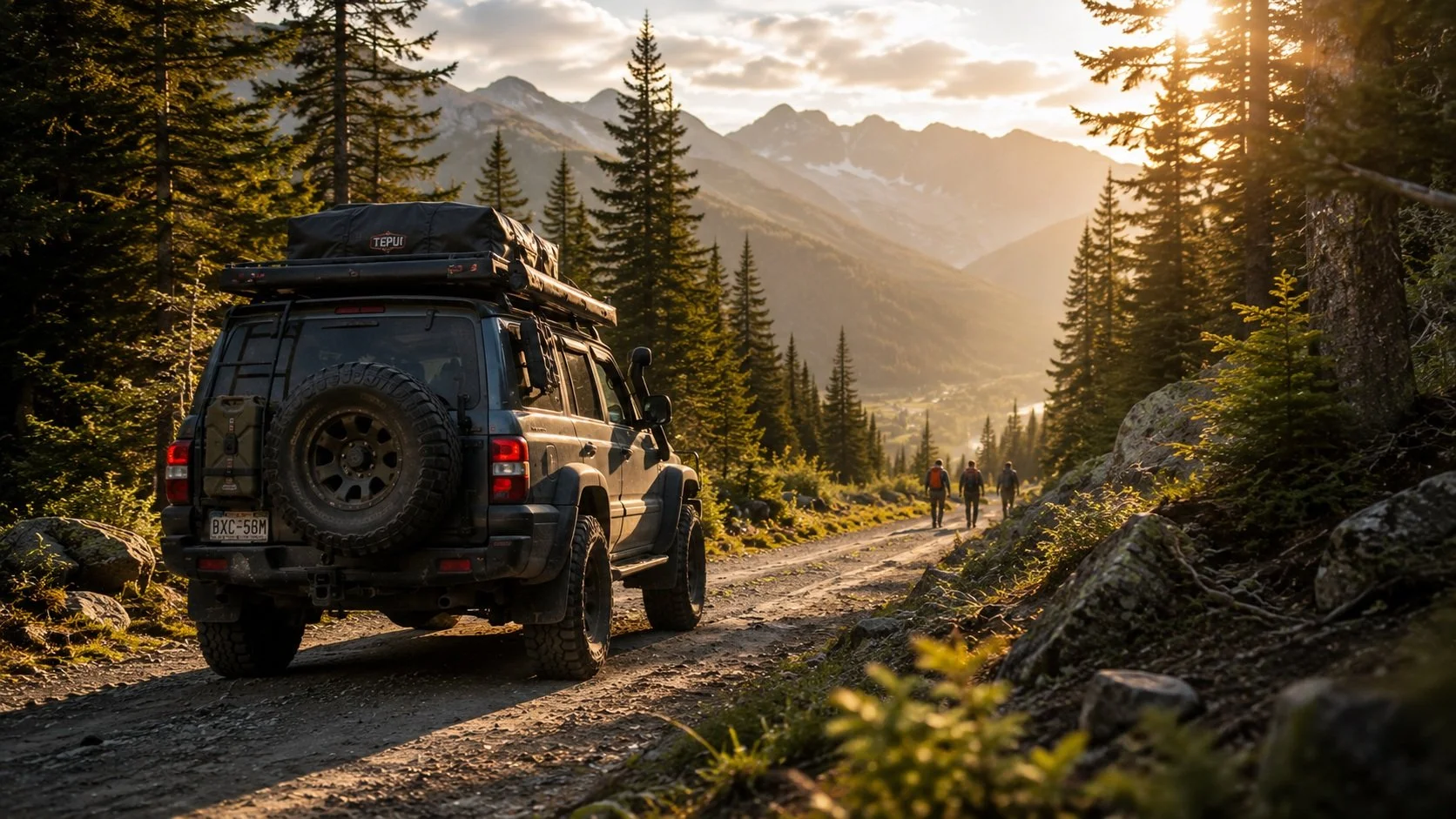
Protecting the Places We Love
One of the greatest privileges of overlanding is the opportunity to explore remote forests, deserts, mountains, and backroads that many people never experience. With that privilege comes responsibility. Every campsite we visit and every mile we drive leaves an impression, and our actions determine whether these places remain open for future generations.
Good trail etiquette isn't about following rules for the sake of rules. It's about respecting the land, the wildlife, and the people who enjoy these places alongside us.
Stay on Designated Roads and Trails
It can be tempting to drive around a muddy section of road or create a shortcut to a campsite, but doing so causes lasting damage. Tire tracks destroy vegetation, increase erosion, and create new routes that encourage others to follow.
If a trail becomes impassable, turn around rather than making a new one. Land managers often close trails because of repeated damage, and responsible recreation helps preserve access for everyone.
Research trail conditions before your trip and choose routes that match both your vehicle and your experience level.
Respect Other Trail Users
Overland routes are often shared with hikers, mountain bikers, horseback riders, hunters, and local residents. Slow down whenever you approach others and give them plenty of space.
When appropriate, yield the right of way and always communicate with a friendly wave or greeting. Dust can be just as disruptive as speed, so reduce your pace when passing campsites or other vehicles.
A little courtesy creates positive interactions that benefit the entire overlanding community.
Leave Every Campsite Better Than You Found It
The Leave No Trace philosophy should guide every overland trip.
Pack out everything you bring with you, including food scraps and trash. Scatter cold campfire ashes only where permitted, avoid damaging vegetation, and resist the temptation to collect natural features as souvenirs.
If you find litter left behind by someone else, consider packing it out. It takes only a few extra minutes to make a campsite better for the next visitor.
Respect Wildlife and Quiet Hours
Seeing wildlife is one of the highlights of overlanding, but animals should always remain wild.
Store food securely, observe wildlife from a distance, and never feed animals. Even small actions can change natural behavior and create dangerous situations for both wildlife and visitors.
Likewise, remember that many people head into the backcountry for peace and solitude. Keep music at a reasonable volume, avoid excessive engine revving, and respect quiet hours after dark.
Quick Tips
Stay on established roads and trails.
Pack out everything you bring.
Yield to other trail users.
Slow down near campsites.
Store food securely.
Respect fire restrictions.
Leave campsites cleaner than you found them.
Frequently Asked Questions
Can I drive around mud holes?
Only if the trail officially provides an alternate route. Otherwise, turning around is the responsible choice.
Should I pick up trash left by others?
If it's safe to do so, yes. Every small effort helps preserve public lands.
Are campfires always allowed?
No. Always check local fire restrictions before your trip and follow all regulations.
